Search “web designer Philippines” and you’ll get quotes from ₱5,000 to ₱400,000 for what sounds like the same thing: “a website.” It’s genuinely confusing — freelancers, template studios, big agencies, and DIY builders all promise similar results at wildly different prices. So how do you choose without overpaying, or worse, paying for a site that quietly costs you customers?
Here’s a straightforward guide: the types of web designers out there, what actually matters when you choose, the questions to ask before you pay, and the red flags that should make you walk away.
First, know the four kinds of “web designer”
They’re not all the same job. Matching the type to your needs and budget is half the decision.
| Type | Best for | Typical price | Watch-outs |
|---|---|---|---|
| DIY builder (Wix, etc.) | Tiny budgets, hobby projects | Monthly fee + your time | Time-consuming; often looks DIY |
| Freelancer | Simple sites, tight budgets | ₱5,000–₱25,000 | Availability & support can vary |
| Template studio | Small businesses wanting quality, fast | ₱12,000–₱40,000 | Less bespoke — but proven & quick |
| Full agency | Bigger budgets, complex builds | ₱80,000–₱400,000+ | Overkill (and overpriced) for a small site |
Most small and growing Filipino businesses are best served by a good freelancer or template studio — professional quality without agency prices. (For a fuller breakdown of numbers, see our guide on how much a website costs in the Philippines.)
What actually matters when you choose
Price is the easiest thing to compare, which is exactly why people over-focus on it. These matter more:
- A portfolio you actually like. Look at real sites they’ve built. Do they load fast, look good on a phone, and feel like your kind of business? Style matters — pick someone whose taste fits yours.
- Clear, upfront pricing. A good designer tells you what things cost and what’s included before you commit. Vague “it depends, let’s talk” with no ballpark is a warning sign.
- What’s included — in writing. Domain? Hosting? Revisions? Content loading? Mobile version? Get the scope in writing so “the website” means the same thing to both of you.
- Ownership. You should own your domain, your site, and your content. Full stop.
- What happens after launch. Websites need updates, backups, and the occasional fix. Ask who handles that — and whether there’s a maintenance plan — so you’re not stranded a month after going live.
- Communication. Do they reply clearly and on time during the sales stage? That’s the best they’ll ever communicate — it rarely improves after you’ve paid.
Questions to ask before you hire
Bring these to any first conversation. The answers tell you more than the price ever will:
- What exactly is included in the price — and what costs extra?
- Do I own the domain, hosting, and website afterwards?
- How many revisions do I get?
- Will it be mobile-friendly and reasonably fast?
- Who writes the content and provides the photos?
- What happens after launch — updates, backups, support?
- How long will it take, and what do you need from me?
Red flags to walk away from
- No clear pricing and no contract. If nobody will put scope and cost in writing, you have no protection.
- They keep your domain or hosting hostage. If leaving means losing your site, that’s a trap, not a service.
- A price that’s too good to be true. A ₱3,000 “complete website” usually means a thin template, stock everything, and no support.
- No portfolio, or one they won’t show. Real designers are happy to show real work.
- They vanish after launch. Ask upfront how to reach them in month two — and month twelve.
Template or custom — which should you choose?
You don’t always need a from-scratch custom build. For most small businesses, a professionally designed template, tailored to your brand, gets you a beautiful, fast site for a fraction of the cost and time — and you can add custom features later as you grow. A full custom build makes sense when you need something genuinely unique or complex. If you’re weighing platforms too, our WordPress vs. Wix vs. Squarespace guide helps.
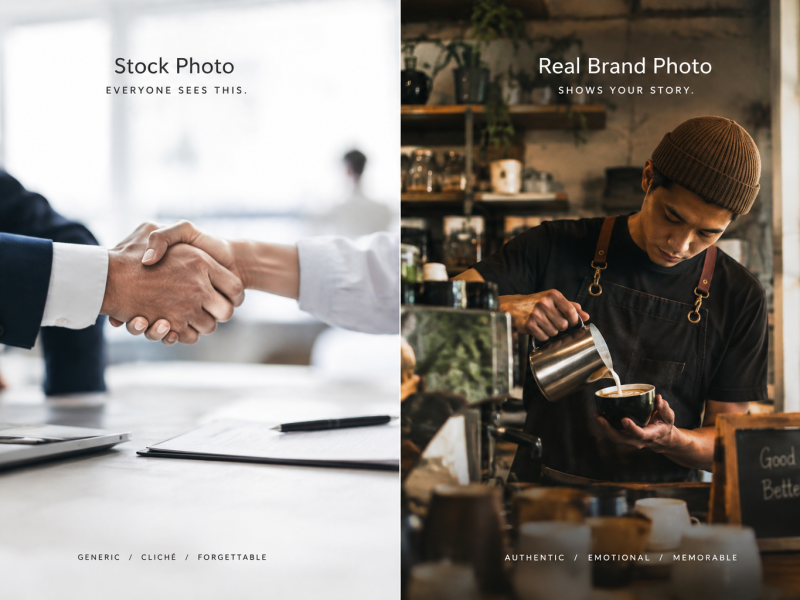
This is exactly how we work at KenSuarez Studio: start with a ready-to-launch template at a clear, fixed price, add only what you need, and — because your photos make or break the design — we can handle brand photography in the same project. No mystery quotes; you can see our pricing before you ever message us.
The bottom line
Don’t choose on price alone. Choose the designer whose work you like, who’s clear about what you get, who lets you own everything, and who’ll still be around after launch. Get it in writing, and you’ll avoid nearly every web-design horror story. For a full pre-launch run-through, our Cebu business website checklist is a handy companion.
Frequently asked questions
How much should a website cost in the Philippines?
It varies widely: simple freelancer or template sites run roughly ₱8,000–₱40,000, while full custom agency builds can reach ₱80,000–₱400,000+. For most small businesses, a professional template-based site offers the best value. What matters is knowing exactly what’s included at that price.
Should I hire a freelancer or an agency?
For a small or growing business, a reliable freelancer or a template studio usually gives you professional quality without agency prices. Agencies make sense for large, complex projects with bigger budgets. Match the type of provider to the size of what you actually need.
What questions should I ask a web designer before hiring?
Ask what’s included and what costs extra, whether you own the domain and site, how many revisions you get, whether it’s mobile-friendly, who supplies content and photos, and what support you get after launch. Clear answers to these matter more than the headline price.
Do I own my website and domain after it’s built?
You should. A trustworthy designer registers the domain in your name and hands over your website and content. Be cautious of anyone who keeps your domain or hosting under their control in a way that traps you — that makes leaving them costly later.
What’s the difference between a template and a custom website?
A template is a proven, professionally designed layout tailored to your brand — faster and more affordable, ideal for most small businesses. A custom website is designed from scratch for unique needs and costs more. Many businesses start with a template and add custom features as they grow.
Looking for a designer who’s upfront about all of this? Send us a note — no forms, no funnels — tell us about your business and we’ll point you to the right option, even if it isn’t us.